Bangladesh
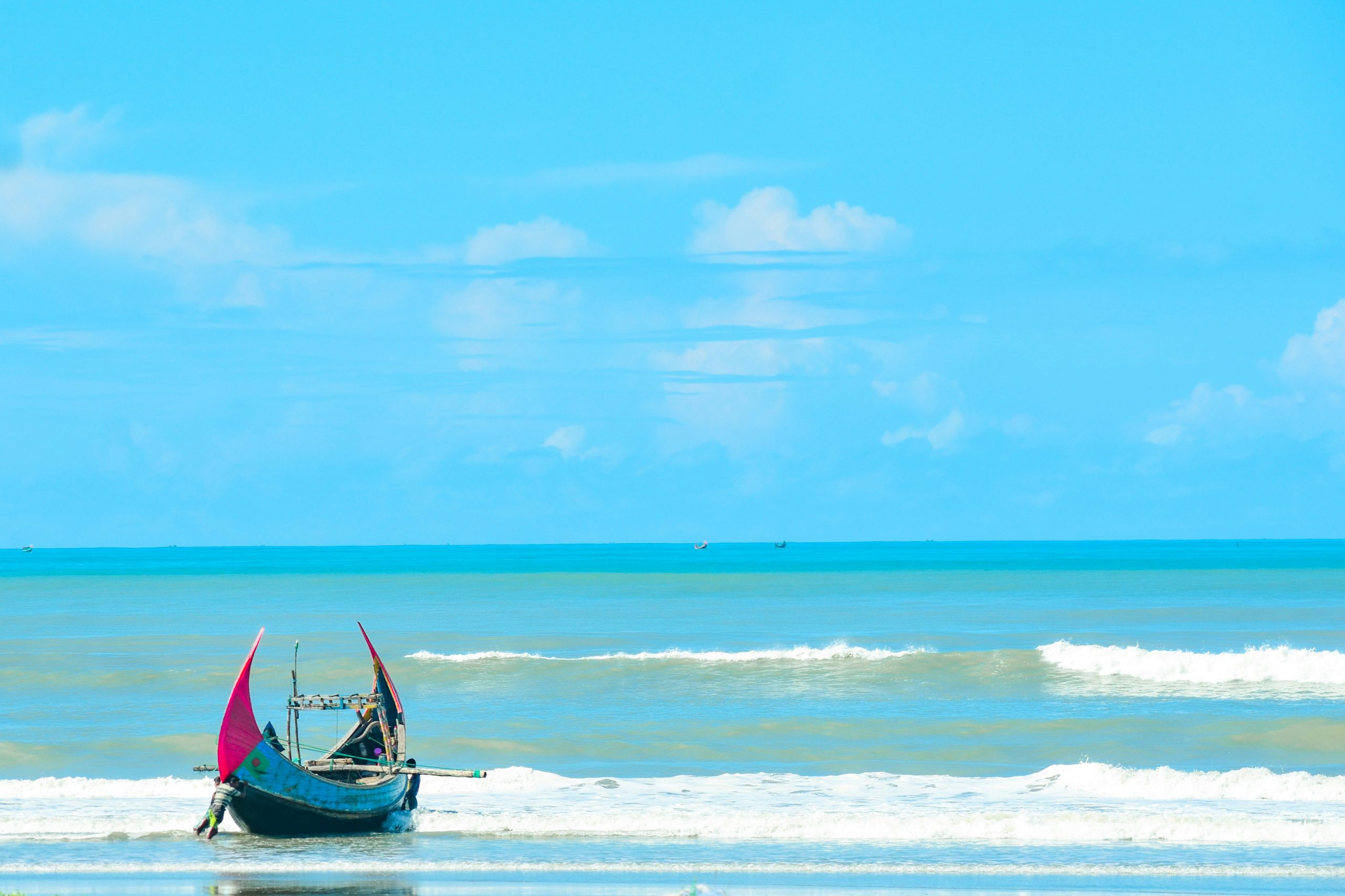
Bangladesh is strategically located in South Asia, bordered by India on the west, north, and east, Myanmar (Burma) to the southeast, and the Bay of Bengal to the south. Positioned between 20°34’N to 26°38’N latitude and 88°01’E to 92°41’E longitude, it occupies a vital spot at the crossroads of South and Southeast Asia. This geographic setting gives Bangladesh access to important regional trade routes and maritime gateways.
The country covers an area of approximately 147,570 square kilometers, making it one of the most densely populated nations in the world. Its landscape is predominantly a low-lying floodplain, formed by the confluence of three major rivers: the Ganges (Padma), Brahmaputra (Jamuna), and Meghna. This rich deltaic region contributes to the country’s fertile soil and vibrant agriculture, while also presenting unique environmental challenges.
Bangladesh’s location enhances its geopolitical importance and offers immense potential for trade, connectivity, and regional cooperation.
Population & Religion
Bangladesh has a population exceeding 170 million, making it one of the most densely populated countries globally. The population is predominantly young, contributing to a dynamic and growing workforce. Islam is the major religion, practiced by approximately 90% of the population, while Hinduism is the largest minority faith. The country’s religious diversity is reflected in its rich cultural heritage and social fabric, fostering a spirit of tolerance and coexistence.
Language and Education
Bengali (Bangla) is the official language of Bangladesh and is spoken by the vast majority of its population, serving as a critical element of national identity. English also holds significant importance, particularly in higher education, business, and government sectors, facilitating global engagement. Bangladesh has made considerable strides in improving its education system, reflected in a steadily increasing literacy rate of approximately 75%. The education framework comprises primary, secondary, and tertiary levels, supported by an expanding network of public and private institutions. Continuous investment in education underscores the country’s commitment to developing skilled human capital, essential for driving sustainable economic growth and social progress.
Crops of Bangladesh
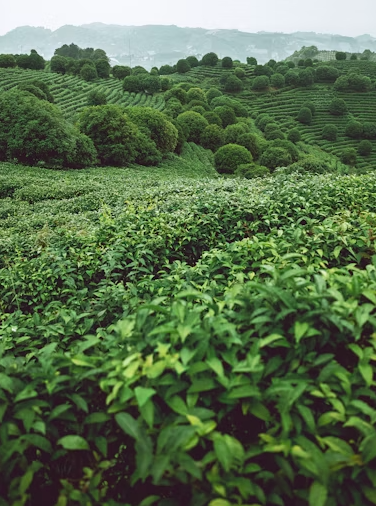
Bangladesh’s agriculture thrives on fertile soil and favorable climate. The main crops are rice, the staple food, and jute, a key export fiber. Other important crops include wheat, maize, potatoes, tea, and various vegetables and fruits. These crops support the country’s food security and economy. Ongoing improvements in farming methods continue to boost production and
sustainability.
Bangladesh’s Major Cities: Catalysts for Manpower Training and Global Exchange
Bangladesh’s key cities—Dhaka, Chattogram, Sylhet, Khulna, and Rajshahi—are centers of economic activity and manpower development. Dhaka and Chattogram offer diverse job opportunities, while Sylhet is known for its strong overseas labor connections, especially with the Middle East and UK. These cities play a crucial role in training and deploying skilled workers, supporting both local industries and international manpower exchange, which significantly contributes to Bangladesh’s economy.